
Lower heating costs in winter
Up to 40 percent of a home’s heat escapes through the ceiling in winter. Bulk insulation in the roof space slows this loss, so your heater runs less often and uses less energy to maintain a comfortable temperature.
The Basin
Bulk insulation traps still air to slow heat flow through ceilings, walls and floors. In The Basin’s cooler hills climate, it keeps homes warmer in winter and reduces summer heat gain through the roof space.
Share your details and Expert Insulation Melbourne will contact you about Bulk Insulation in The Basin.
Bulk insulation uses materials like glasswool, polyester or rockwool batts to create a barrier that resists heat transfer. In The Basin, it is most commonly installed between ceiling joists in the roof space, inside wall cavities during renovations, or between floor joists in the subfloor. The batts are cut to fit snugly without gaps, and the chosen R-value determines the thermal resistance.
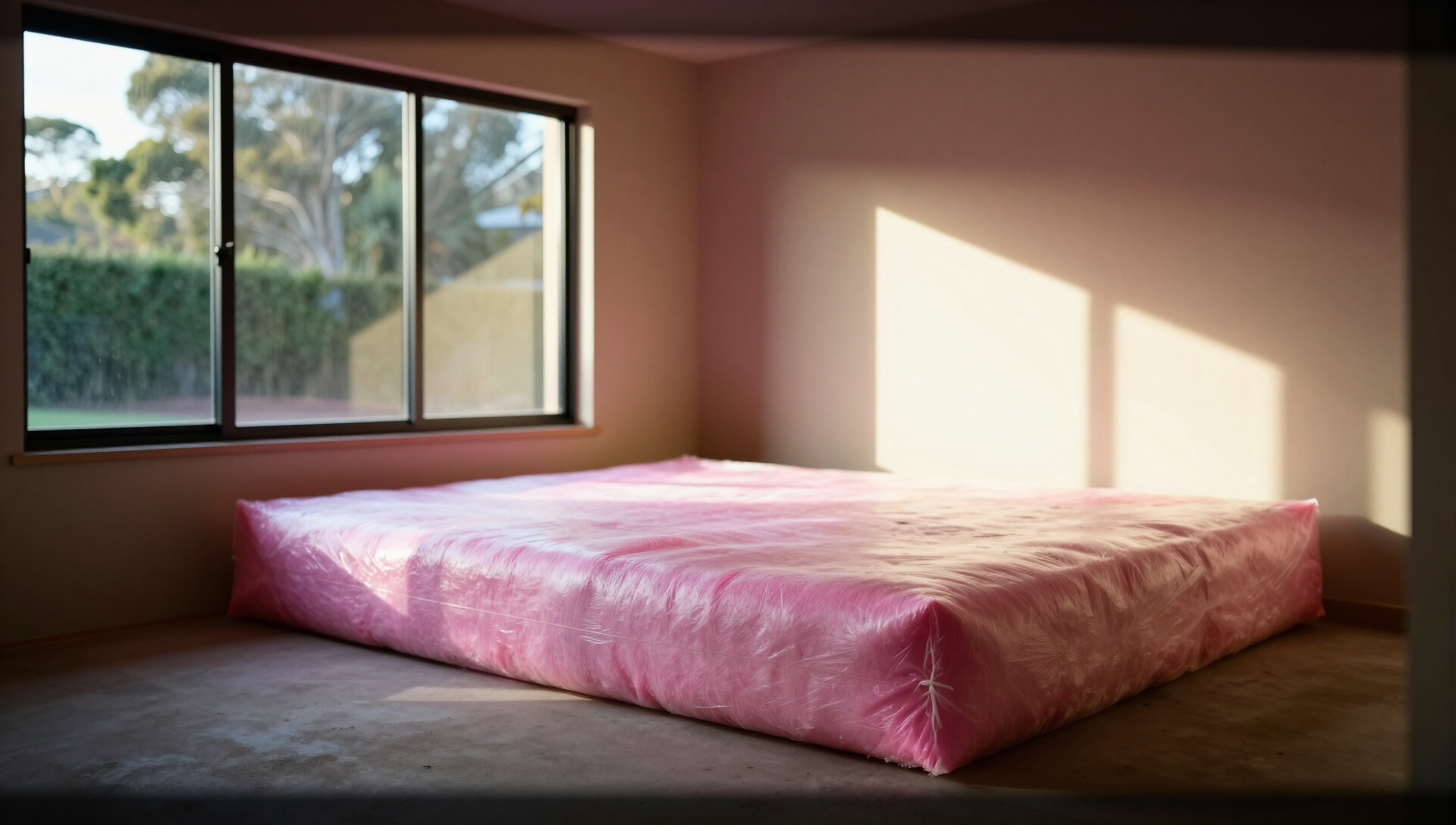
The Basin’s elevated position and damp, cool winters make thermal resistance critical. Bulk insulation addresses the main paths of heat loss and gain in local homes, many of which are older weatherboard or brick veneer properties with uninsulated roof spaces and suspended floors.
Up to 40 percent of a home’s heat escapes through the ceiling in winter. Bulk insulation in the roof space slows this loss, so your heater runs less often and uses less energy to maintain a comfortable temperature.
Radiant heat from hot northerly winds and direct sun on the roof can overheat a home. Ceiling batts absorb and slow this heat before it enters living spaces, keeping interiors cooler without overworking air conditioning.
Suspended timber floors in The Basin homes often sit above a cold, draughty subfloor. Underfloor batts fitted between floor joists cut draughts and raise floor temperatures, making rooms more comfortable at floor level.
Bulk insulation also absorbs sound, so internal walls with acoustic batts reduce noise transfer between bedrooms, living areas and home offices.
Properly installed bulk insulation helps manage condensation in roof spaces by maintaining consistent temperatures, reducing the risk of moisture build-up that can lead to mould or damage.
Quality batts retain their thickness and R-value over time if kept dry and undisturbed. This ensures consistent thermal performance for the life of the insulation.
Installation begins with a thorough inspection of your roof space, wall cavities or subfloor to check access, existing insulation and any obstacles like cables or downlights. We then measure and cut batts to fit precisely between framing members.
We enter the roof space via the manhole to assess the condition of existing insulation, check for dust, moisture or pest damage, and identify clearances required around downlights, flues and electrical cables. Old compressed batts are removed if necessary.
Batts are cut to the exact width between ceiling joists, wall studs or floor joists. For ceilings, we ensure no gaps at the edges or around obstacles. For walls, batts are friction-fitted into open stud frames during renovations.
Batts are laid perpendicular to joists or studs so they stay in place without sagging. We avoid compressing the material, as this reduces the R-value and effectiveness. All joins are butted tightly to prevent thermal bridging.
We remove all offcuts and debris from the roof space or work area. A final inspection ensures batts are correctly positioned, clearances are maintained and access points are properly sealed.
The Basin sits in Melbourne’s Dandenong Ranges, where winters are colder and damper than the city, and summers can still bring heatwaves. Many homes here are older weatherboard or brick veneer properties with uninsulated roof spaces and suspended timber floors. Bulk insulation in ceilings and underfloors makes the biggest difference to comfort and energy use in these houses. Nearby suburbs like Sassafras and Ferny Creek share similar conditions, so the same principles apply.
Install glasswool, polyester or rockwool batts in ceilings, walls and floors to cut heat loss and gain in The Basin.
Homeowners in The Basin often ask about the best R-value for their home, whether existing insulation needs removal, and how long installation takes. Here are the answers to common questions.
Bulk insulation in The Basin improves thermal resistance in ceilings, walls and floors to reduce winter heat loss and summer heat gain. Glasswool, polyester and rockwool batts are the most common materials, chosen for their ability to trap still air and provide long-lasting performance. In The Basin’s cooler climate, ceiling insulation is the priority, as heat rises and escapes through the roof space without a proper barrier.
The R-value of bulk insulation indicates its thermal resistance, with higher values offering better performance. For ceilings in The Basin, R4.0 to R6.0 is typical, while walls usually range from R2.0 to R2.7 and underfloors from R1.5 to R2.5. The right R-value depends on your home’s construction, local climate and budget. Batts must be installed without compression or gaps to maintain their rated R-value.
Signs your The Basin home needs bulk insulation include cold floors in winter, rooms that are hard to heat or cool, high energy bills, or visible gaps in existing insulation. Older homes with thin or compressed batts often benefit from topping up or full replacement. If old insulation appears dusty, wet or damaged, removal and replacement may be necessary before new batts are installed.
Improve your home’s thermal performance with bulk insulation tailored to The Basin’s climate. We install glasswool, polyester and rockwool batts in ceilings, walls and floors.